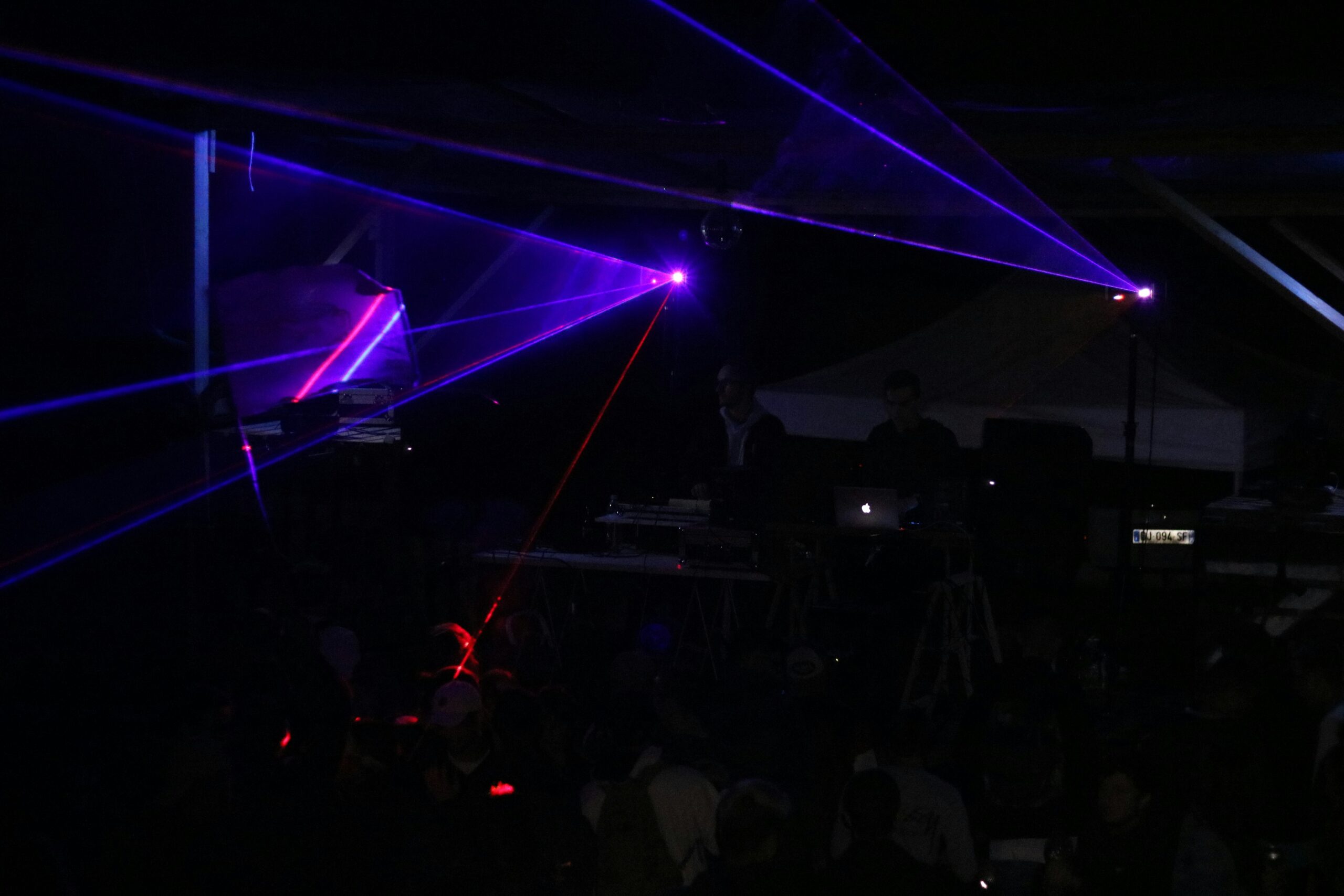
Lighting is no longer just a practical element in event planning. It has become one of the most creative tools for shaping unforgettable experiences. From immersive environments to emotional storytelling, lighting transforms ordinary venues into extraordinary spaces.
Thanks to modern technology, event lighting has evolved in exciting ways. It now plays a major role in how guests engage with an event. Designers use it not only to illuminate but also to inspire and captivate. With the right lighting, events come alive and stay in people’s memories long after they leave.
Setting the Emotional Tone
Every event begins with a mood. Lighting creates the mood the moment someone enters a space. A warm glow can make guests feel welcome and relaxed. Cool tones can create a sleek, futuristic feel for tech events. These effects help match the lighting with the event’s theme and desired emotions.
As the event progresses, lighting can shift to reflect different stages. A keynote speech might begin with a series of focused spotlights. Later, the atmosphere may soften for networking or dining. These transitions guide the audience’s emotional journey and keep them engaged throughout the event.
Enhancing the Visual Story
Lighting is a silent storyteller. It works hand in hand with décor, stage design, and sound to bring a story to life. Colors, shadows, and movement can all reinforce a message or highlight a key moment. It gives producers control over what the audience sees—and how they feel about it.
For example, at a brand launch, lights can fade out to build suspense and fade back in sync with the product reveal. In a fashion show, lighting might shift with each look to match the designer’s inspiration. These choices don’t just support the story; they become part of it.
Transforming Spaces Without Construction
One of lighting’s biggest strengths is its ability to alter perception. It can turn a basic room into a themed environment without changing the physical space. With light, you can add depth, drama, and texture to even the simplest venue.
Projection mapping is a good example of this. It allows designers to project visuals onto walls, ceilings, or even objects. With it, a ballroom can look like a forest, a cityscape, or a digital universe. This technique makes lighting a cost-effective way to create immersive scenes that impress guests.
Encouraging Guest Interaction
Lighting no longer sits in the background—it interacts. Today’s lighting systems can respond to movement, sound, or touch. This creates an environment where guests become part of the experience instead of just observers.
Interactive walls, floors, or installations respond when people walk past or wave their hands. At music festivals, lights pulse in time with the audience’s energy. In immersive exhibits, the lights may follow the visitor’s path, encouraging exploration. These techniques increase guest engagement and make the event feel personal.
Supporting Brand Identity
Events often need to reflect a brand’s identity, and lighting plays a key role in that. Using brand colors in the lighting design reinforces familiarity. Logos and messages can be projected onto surfaces in elegant, eye-catching ways.
Even the choice of lighting style says something. Soft, warm lighting can reflect a company’s commitment to comfort and trust. Bold beams and digital effects may suggest innovation and creativity. Thoughtful lighting ensures the brand is present throughout the experience.
Improving Focus and Functionality
While lighting creates beauty, it also plays a critical practical role. In large spaces, lighting helps guide people to important locations such as stages, exits, and booths. It reduces confusion and makes guests feel comfortable navigating the event.
It also keeps attention where it matters. Whether highlighting a speaker, a product, or a performer, lighting draws focus and removes distractions. The right design ensures every key moment is in the spotlight—literally—so nothing is missed or overlooked.
Making Smaller Events Feel Bigger
Lighting helps scale up a space’s perception. With careful placement, even a small venue can feel grand and cinematic. Uplighting can emphasize walls or ceilings, creating the illusion of height. Moving lights can draw attention upward or outward, making the room feel larger.
These techniques are especially useful for intimate events that still want a “wow” factor. When working with limited space or budget, smart lighting choices can deliver high impact without major construction or rentals. The result is a space that feels bigger, better, and more memorable.
Creating Lasting Impressions
People remember how events made them feel—and lighting influences that feeling. A dramatic entrance lit with color and motion sets the tone before any words are spoken. A soft, glowing room for dinner leaves guests feeling at ease. A final moment with sweeping lights and music creates emotional closure.
These are the touches people talk about afterward. They post pictures and videos of the lighting effects on social media. They associate the emotional experience with the event’s purpose. Thoughtful lighting doesn’t just enhance the moment; it extends the event’s life beyond its physical end.
Adapting to Hybrid and Virtual Formats
Even in digital or hybrid settings, lighting still matters. A well-lit stage on camera makes the virtual audience feel connected. Colored lighting on the backdrop adds energy and visual interest to livestreams. Lighting can even be used to signal transitions during a virtual broadcast.
As more events blend physical and digital components, lighting design must work for both in-person and online audiences. This means thinking about how it appears on camera and in person. Designers are now using lighting setups that enhance visibility, reduce glare, and support high-quality streaming.
Embracing Energy-Efficient Solutions
Modern lighting isn’t just innovative lighting in design—it’s smarter in operation. LED technology, automation, and digital control systems reduce energy use without sacrificing quality. These tools also enable more precise control, allowing designers to adjust lighting in real time.
Energy-efficient lighting isn’t only about cost savings. It supports sustainability goals and helps reduce the event’s environmental impact. Many venues and clients now expect eco-friendly practices, and lighting is one area where improvements make a big difference.